How To Vet A Custom Denim Manufacturer: All Critical Details New Fashion Brands Need To Know
How To Vet A Custom Denim Manufacturer: All Critical Details New Fashion Brands Need To Know
If you own an independent streetwear label, small fashion startup or boutique clothing line, picking the right custom denim factory is one of the most high-stakes choices you’ll make. A solid manufacturing partner turns your creative denim concepts into consistent, wearable pieces that build loyal customers. A poor supplier leads to mismatched wash tones, sloppy stitching, sizing inconsistencies, delayed shipments and piles of returned inventory that eat into your bottom line.
Most first-time brand owners fall into the same trap: they shop purely for the lowest per-unit price, ignoring how specialized denim production truly is. Unlike basic tees or hoodies, custom jeans, denim jackets and distressed bottoms rely on proprietary wash techniques, precise pattern grading, hardware fitting and fabric testing that generic clothing workshops can’t pull off reliably.
Lots of new designers spend hours searching how to find a reliable OEM factory for custom streetwear denim online, only to find scattered, surface-level advice. This guide walks through every single dimension you need to audit before locking in a production partner, with real‑world context drawn from decades of experience in custom denim OEM and ODM production serving global fashion brands.
1.Confirm The Factory’s Core Focus: Do They Specialize In Denim Full-Service Production?
Your first screening question should cut straight to their core business: is denim their primary offering, or just an afterthought they tack on to fill order slots? Thousands of general garment factories accept denim orders, yet they outsource all washing, distressing and fabric finishing to third-party off-site workshops. This split workflow creates endless avoidable headaches for brand owners.
When separate outside vendors handle your wash development and garment treatment, there’s zero unified oversight. A vintage fade you love on your first sample will never perfectly replicate in bulk runs, and reorders will show obvious color and texture shifts between batches. Small details like laser etching, hand sanding and layered whiskering lose consistency when passed between multiple teams with no shared standards.
Trusted denim manufacturers run every critical step in-house: fabric cutting, sewing, hardware attachment, wash development, distressing and final finishing all under one roof. Fully self-contained internal washing facilities are a key advantage for brand consistency. Reputable factories center OEM and ODM custom denim production as their main service, rather than treating jeans as a side product alongside generic casual wear. Professional manufacturers archive every wash formula, distressing process and fit spec they develop for clients, so reorders match sample tones and silhouettes perfectly every time.
2.Test Their Sampling Ability & Tech Pack Interpretation Skills
Sampling is where most brand-factory partnerships break down, and many creators wonder how many sample revisions a professional custom denim factory should provide before bulk production. Factories with weak technical teams will copy your tech pack on a surface level without flagging design flaws that make mass production unstable.
A competent denim production team will complete a full deep dive of your design files, reference photos, fabric specs, sizing charts and trim details before drafting a single prototype. They’ll flag impractical construction choices—like overly complex layered fabric ties, delicate embroidery placements that fray during washing, or rivet spacing that weakens pocket seams—and offer realistic adjustments that keep your original creative vision intact.
Clear, structured sampling timelines are another non-negotiable marker of quality. Standard professional workflows include initial prototype samples, fit correction samples, pre-production samples and lab dip wash confirmation, with transparent feedback after every revision round. Reliable technical teams work one-on-one with international brand clients through every sample stage. Professional factories provide free design mock-ups to translate rough ideas into production-ready files, with standard sample turnaround sitting at 7–12 working days, plus shipping time for global clients. Reputable manufacturers refine fit, print placement, distressing depth and hardware alignment until each sample hits the exact aesthetic the brand is aiming for.
3.Review MOQ Flexibility & Scalable Bulk Production Capacity
Minimum order quantity is the biggest pain point for emerging streetwear brands. New labels need small trial batches to test market response to new denim silhouettes, while growing brands need factories that can rapidly ramp up output when a style becomes a bestseller. Many suppliers on the market hold rigid, unforgiving MOQ rules: either they demand huge initial orders that drain startup budgets, or advertise ultra-low minimums but jack up unit pricing once you move to full bulk runs.
Scalability is equally vital. Small-batch-only workshops can handle prototype testing but lack the assembly lines to fulfill large volume orders as your brand expands. Switching manufacturers mid-growth means rebuilding all your patterns, wash recipes and trim standards from scratch, wasting months of development time and racking up extra sampling costs.
Excellent denim manufacturers balance flexible small-batch support and large-scale bulk manufacturing for all global clients. Most professional facilities offer standard bulk MOQ suitable for streetwear startups, while accommodating lower minimums for brands running limited test collections and single-piece custom samples for designers refining new concepts. Top production lines can expand quickly to fill high-volume seasonal orders, eliminating the hassle of switching suppliers as your brand’s sales grow year over year. For confirmed pre-production samples and received deposits, full bulk production typically wraps in 25–35 working days for consistent, reliable delivery.
4.Audit Fabric Sourcing & Long-Term Wash Consistency Standards
The wear quality, durability and visual tone of your custom denim all start with fabric selection. Many new brand buyers overlook fabric technical data, only to receive finished jeans that stretch out permanently, shrink unevenly after the first home wash, or fade dull and patchy within a handful of wears. Reliable denim manufacturers supply complete spec sheets for every fabric weight, from lightweight 10oz denim to heavy rigid 14oz denim, including cotton blend composition, stretch recovery metrics, shrinkage test results and color fastness lab reports.
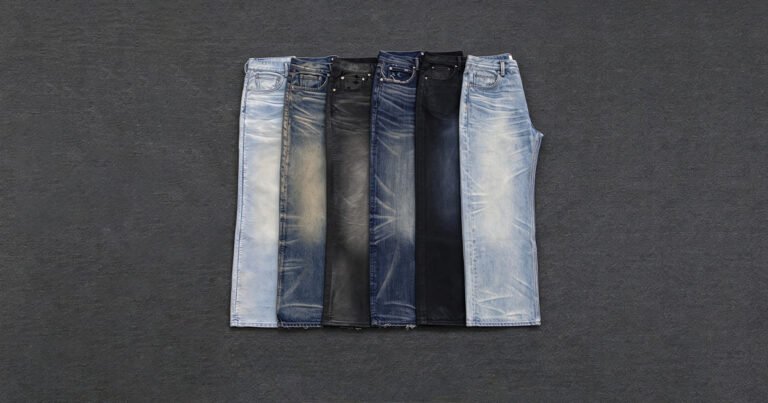
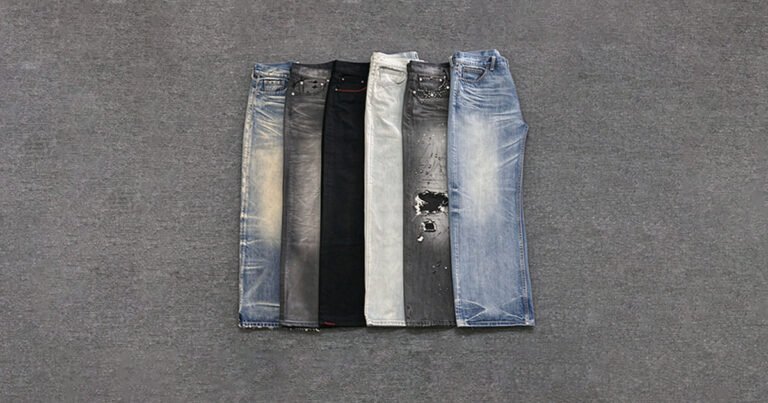
Wash consistency is what separates generic mass-market denim from premium custom streetwear pieces. Modern shoppers seek layered, natural-looking distressing: subtle thigh whiskering, gradual edge abrasion, soft sun-faded gradients and intentional rip detailing. Factories relying on basic single-step chemical washes produce flat, lifeless color with obvious mismatches between individual pairs in one shipment.
Trusted manufacturers maintain long-term partnerships with top denim mills, curating fabric options built specifically for streetwear silhouettes that hold their shape and resist premature wear. Every custom wash process—light vintage fade, heavy enzyme distressing, acid wash, laser printed graphics—is documented and saved in internal systems. Whether you’re ordering a small test run or a large bulk shipment, every piece will carry identical tonal depth and distressing placement, drastically cutting down customer returns linked to uneven wash quality.
5.Inspect Full-Cycle Quality Control Protocols
Quality control isn’t just a single final check before packing; it’s a layered process running through every stage of manufacturing. Informal, low-tier factories only do a quick visual scan once all garments are finished, which misses hidden defects like uneven cutting panels, loose interior stitching, misaligned leather patches, loose rivets or incomplete wash treatment. These tiny flaws stand out dramatically on custom denim and hurt your brand’s perceived value.
A trustworthy factory implements multi-stage inspection checkpoints: raw fabric roll screening pre-production, size and cut panel verification, in-line sewing station checks, post-wash tone evaluation, hardware and trim alignment audits, and random final sampling before packaging. Every defective piece gets flagged and reworked mid-process, so flawed goods never make it into your shipment containers.
Professional custom denim manufacturers follow strict full-cycle QC frameworks. Dedicated quality inspection teams track every batch through cutting, sewing, washing and finishing, documenting every stitch, print, rivet and fade detail for consistency. Rigorous inspection standards ensure every finished garment meets the premium streetwear quality benchmarks global brand owners expect.
6.Evaluate Full Private Label Customization & Trim Support
Private label custom details are how independent brands differentiate their denim from generic mass-produced stock. When vetting a manufacturer, confirm the full scope of customizable trims and branding elements they can handle in-house. Key custom features to ask about include woven main labels, printed care labels, embossed leather back patches, custom engraved metal buttons and rivets, screen printing, detailed embroidery, full laser etching, custom hangtags, branded zippers and personalized poly packaging bags.
Many limited-service factories only offer basic print customization, forcing you to source all patches, hardware and tags from separate third-party vendors. This adds extra logistics steps, higher shipping costs and inconsistent sizing or color matching between your denim garments and brand trims.
Top-tier one-stop custom apparel factories deliver complete private label trim customization with full control over font, size, color and material for every brand accessory. Handling all branding detailing in the same facility as your denim production creates a unified, cohesive aesthetic across every piece of your collection without extra coordination work for your team. Reliable manufacturers support full collection customization, including denim jackets, varsity outerwear, hoodies, tees and shorts for brands designing complete seasonal streetwear lines.
7.Assess Cross-Border Communication & Global Order Support
Most US fashion brands source custom denim from overseas manufacturers, and cross-timezone communication speed directly shapes your product launch timeline. Many factories operate with limited English-speaking staff, slow response windows and zero proactive updates on sample delays or production hiccups. Waiting days for replies about design adjustments or shipment timelines can push your collection release back weeks.
Strong manufacturing partners maintain transparent, responsive communication at every project stage. They send regular updates on sample drafting, fabric delivery, bulk cutting progress and estimated shipment windows, and flag potential delays early rather than springing last-minute surprises on your team.
Professional manufacturing teams provide fluent English support, aligned to match North American brand schedules to cut down waiting times for feedback. Experienced teams walk clients through every step of sampling, production and shipping, answering all technical and logistical questions clearly throughout the entire order cycle. Standard quotations typically default to EXW pricing, with full freight cost breakdowns available once clients share their delivery address, allowing brands to calculate total landed costs upfront with no hidden fees.
Frequently Asked Questions About Custom Denim Manufacturing
Q1: What details do I need to start a custom denim sample order?
A1: To begin sampling, you will need clear design drawings or reference images, detailed fabric requirements, full size spec charts, defined washing standards, and complete trim details including labels, buttons, and hardware specifications. These details help factories produce accurate samples that match your brand’s vision.
Q2: How long does custom denim sampling and bulk production take?
A2: Standard custom denim sampling takes 7–12 working days, with an additional 4–6 working days for international shipping. After pre-production sample confirmation and deposit payment, bulk denim production generally takes 25–35 working days depending on order complexity and quantity.
Q3: What is a reasonable MOQ for custom streetwear denim orders?
A3: Most professional custom denim factories set a standard bulk MOQ of 30 pieces per style, which is friendly for startup streetwear brands. Many manufacturers also support negotiated low-batch orders and single-piece custom samples for new designers testing new styles.
Q4: Why is in-house denim washing important for brand consistency?
A4: Factories with in-house wash facilities control every fading, distressing, and color-toning process internally. This eliminates batch color differences caused by third-party outsourcing, ensuring your denim wash tone stays identical between samples, first bulk orders, and future reorders.
Q5: What quality checks should a custom denim factory perform?
A5: A reliable denim manufacturer conducts full-cycle quality control, including fabric inspection, cutting and sewing checks, post-wash color testing, hardware and trim verification, and final random shipment inspection. Multi-stage QC drastically reduces defective rates and return risks.
Q6: Can custom denim factories support full private label branding?
A6: Yes. Professional one-stop denim manufacturers support full private label customization, including custom leather patches, woven labels, care labels, engraved buttons, rivets, hangtags, screen printing, embroidery, laser etching, and custom branded packaging for a fully unique brand look.
Final Thoughts
Selecting a custom denim manufacturer is never a simple price-comparison exercise. It demands a full review of their denim specialization, sampling expertise, flexible order rules, fabric and wash control, multi-stage quality checks, private label capabilities and cross-border communication support. Building a long-term partnership with a stable, technical factory eliminates repeated trial-and-error costs and locks in consistent product quality that grows your brand reputation over time.
Whether you’re developing your very first small denim collection or expanding a mature streetwear line with new distressed and printed silhouettes, auditing suppliers against all the dimensions covered above will help you steer clear of common industry pitfalls and find a manufacturing partner aligned with your brand’s long-term goals.
For reliable OEM & ODM custom denim production, professional sampling services, and full private label streetwear customization, work with Xiaoxin Clothing to turn your design ideas into market-ready apparel. For more guides on denim custom development, production planning and streetwear design insights, you can explore all our resources and service showcases on our homepage.