Navigating Capital Constraints When Building Your First Custom Denim Assortment
Navigating Capital Constraints When Building Your First Custom Denim Assortment
Many first-time denim brand founders discover, deep in the product development phase, that their biggest limiting factor is not design inspiration or fabric selection, but working capital allocation. When building an inaugural custom denim assortment, most independent apparel operators operate within fixed, finite budgets. Every unit committed to production ties up cash that could otherwise fund photography, website development, social testing, packaging, or subsequent design refinements. Traditional denim manufacturing models force founders to front heavy capital commitments before validating consumer demand, creating a fragile financial foundation for emerging labels. This article explores how capital constraints shape denim line planning, inventory forecasting, and product testing workflows for small apparel businesses, and how a structured low-volume order framework can reduce financial exposure during early-stage denim assortment development. Visit our full program documentation to review tiered ordering rules: Low MOQ Denim Custom Program. For an overview of our factory’s full range of brand-focused apparel services, go to our main site xiaoxinclothing.com.
1. How Limited Working Capital Reshapes Denim Line Planning for Startup Apparel Brands
Working capital limitations alter every decision point when building a custom denim line. Established brands with proven sales history can allocate large budgets toward bulk pre-production runs, knowing they have existing customer demand to absorb inventory. New boutique and DTC labels lack that historical sales data. This knowledge gap turns every large production commitment into a speculative financial bet. Many emerging designers underestimate how much capital gets locked into raw materials, sampling, pattern making, trims, freight, inspection, and warehousing before a single denim garment reaches retail.
1.1 Hidden Pre-Production Costs That Drain Small Brand Denim Budgets
Most first-time denim creators budget only for garment unit pricing and overlook secondary pre-production expenses that quickly consume limited funds. custom denim pattern grading costs for small brand launches, trim tooling fees for custom buttons and rivets, sample iteration charges, and fabric minimum buy-ins add up before bulk production even begins. Brands frequently encounter unplanned pre-production overhead for custom denim development that eats into their reserved production budget. When paired with factory high per-style minimum requirements, these combined expenses force many operators to shrink their planned catalog drastically, limiting the range of fits, washes, and detailing concepts they can bring to market.
For small apparel teams operating with tight cash flow, upfront denim sample and pattern development expenses represent a non-recoverable investment. Even when samples fail to pass fit testing or aesthetic review, the pattern and tooling costs remain. This creates a compounding risk: founders spend budget on development, then face large minimum order thresholds to turn validated samples into sellable inventory. This dynamic is one of the most common financial pain points we hear from operators researching custom denim manufacturing.
1.2 Capital Lock-In Risk With Unvalidated Denim Silhouettes
When brands commit capital to high-volume runs of untested denim silhouettes, they tie funds into inventory with no proven buyer interest. capital tied up in unproven custom denim SKUs restricts a brand’s ability to pivot if customer feedback reveals fit issues, unwanted wash tones, or mismatched aesthetic expectations. Unlike digital products, finished denim stock cannot be quickly modified or reworked. Unsold denim inventory sits in storage, incurring ongoing holding fees while cash remains trapped. This creates the high-stakes scenario described by the search query dead stock capital loss for new custom denim brands.
Many independent designers enter denim development under the assumption that a strong concept guarantees sales. Market reality often differs. Fit preferences, colour taste, and silhouette trends shift quickly. Brands that commit large capital to a single denim style face financial vulnerability from slow-moving custom denim inventory when consumer response falls short of projections. This risk grows for micro-brands with limited cash reserves and no secondary revenue streams to absorb inventory losses.
1.3 Budget Tradeoffs: Catalog Size Versus Unit Volume
Capital limits force a core tradeoff: produce many styles in small quantities, or few styles in large bulk runs. Traditional factory MOQ rules force brands to pick the second option. denim catalog breadth limits from factory minimum volume rules means many new labels launch with only one or two denim SKUs in their first collection. A narrow catalog reduces touchpoints for customers; shoppers with different fit preferences have fewer options to purchase. This limits conversion rates and slows audience growth.
Brands working with constrained budgets struggle with small brand denim assortment planning under budget caps. Every additional silhouette added to the line increases the total capital requirement when each style must hit its own high minimum. This dynamic stops brands from testing complementary fits within one collection. For example, a founder may want to test two distinct rises and three pocket configurations but can only afford to produce one style at the required bulk volume. This eliminates the chance to learn which silhouettes resonate best with their target audience.
2. Inventory Forecasting Challenges For Low-Budget Custom Denim Launches
Accurate demand forecasting is already complex for established apparel businesses. For startup denim brands, forecasting becomes speculative, with no historical sales data to guide volume estimates. This uncertainty creates budgeting headaches and complicates decisions around how many units to produce for each custom denim style. Many operators rely on social media pre-orders, email list surveys, and competitor research to approximate demand, but those signals rarely translate perfectly to final retail sales.
2.1 Weak Demand Signals And Over-Forecasting Risks For New Denim Lines
Pre-launch interest on social media does not always convert to completed purchases. Brands often overestimate conversion rates from follower engagement, leading to overforecasting custom denim demand for startup collections. When production minimums are high, even modest over-forecasting errors translate to hundreds of unsold garments. pre-launch social media hype vs actual denim retail conversion gaps is a recurring pain point we observe with new brand clients.
Limited market data also makes sizing curve prediction difficult. New brands cannot reliably know which sizes will sell fastest. If they commit to a large bulk run, they risk overproducing slow-moving sizes while running out of high-demand sizes quickly. This creates size skew inventory imbalance for custom denim small brands, where capital is stuck in less popular sizes while missed sales opportunities occur for top-selling sizes.
2.2 Cash Flow Timing Mismatch Between Production Spend And Retail Revenue
Denim production operates on extended lead times. Brands pay deposits at sample confirmation and balance payments before goods ship. Retail revenue arrives weeks or months later once products land and start selling. This timing gap creates cash flow lag between denim production payment and retail sales revenue. For bootstrapped labels, this lag can disrupt day-to-day business operations, delaying marketing spend or product development for future collections.
When brands use most of their available working capital for denim production, they create a fragile operating state. Any shipping delay, customs hold, or slower-than-expected sales can create cash flow shortages. working capital gap risks for bootstrapped custom denim labels often force brands to pause all new design work until existing inventory sells through. This slows iteration and stalls brand development cycles.
3. How Low-Volume Order Structures Reduce Capital Exposure For Denim Founders
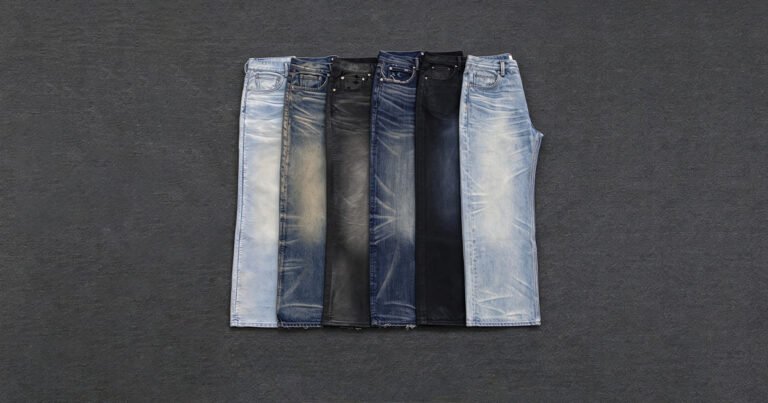
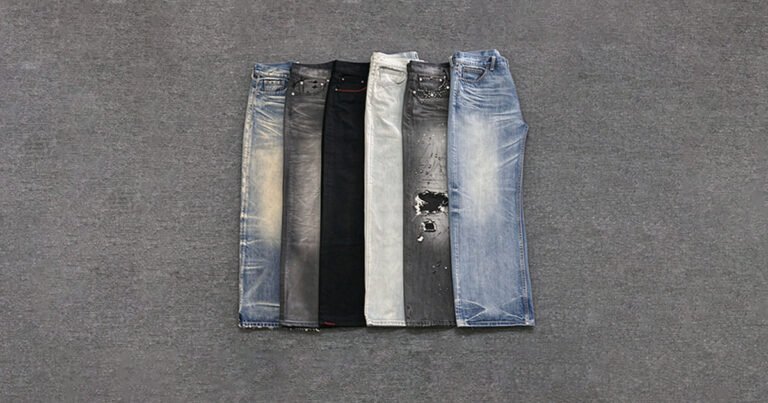
A low-volume custom denim framework reworks the capital equation by lowering the total upfront financial commitment required to launch custom denim styles. Instead of forcing brands to commit hundreds of units per silhouette, these structured programs allow operators to split their total allocated budget across multiple custom concepts. This shifts the risk profile from large all-or-nothing bulk commitments toward incremental, test-focused production.
3.1 Spreading Limited Budget Across Multiple Custom Denim Concepts
With flexible batch consolidation rules, a fixed total production budget can fund several distinct denim silhouettes, trims, and detailing concepts in a single order cycle. spread custom denim budget across multiple silhouettes low minimum orders lets brands build a more diverse assortment without massive capital outlay. Instead of betting their entire production budget on one unproven design, they can test several options to gather real market feedback. This directly addresses single-silhouette financial risk for first custom denim releases.
This model supports budget-friendly custom denim concept testing for emerging designers. Brands can allocate small unit counts to each tested silhouette and identify which styles generate sales before committing larger budgets. Operators retain capital reserves to reinvest in high-performing concepts rather than locking everything into one style. This controlled spending model aligns with the search term incremental denim production budgeting for small fashion brands.
3.2 Reduced Financial Damage From Low-Performing Denim SKUs
When test runs are limited, underperforming styles do not create crippling capital losses. minimized financial exposure for failed custom denim test styles is one of the clearest operational benefits. If a silhouette receives poor customer feedback or low sell-through, the brand’s total loss remains contained. They can discontinue that design without carrying hundreds of leftover units, avoiding write-down losses for underperforming custom denim styles.
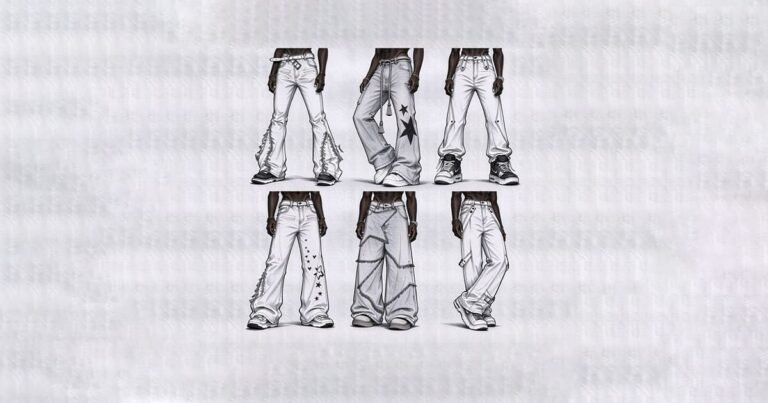
This risk containment also supports creative experimentation. Founders can explore niche detailing or experimental washes without fear of catastrophic inventory loss. low-risk custom denim design experimentation on limited budget allows brands to refine their visual identity gradually, testing subtle shifts to pocket geometry, hardware, or finish without massive capital exposure.
3.3 Aligning Production Spend With Real Sales Velocity
Low-volume order structures support demand-aligned restocking rather than speculative bulk pre-production. After initial test batches ship, brands review sell-through data. Only styles that prove popular qualify for follow-up small restock runs. This workflow creates sales velocity guided restocking for custom denim small brands. Brands spend capital only on styles proven to sell, rather than forecasting far into the future.
This model also helps preserve operating cash reserves. Funds do not get consumed upfront for inventory that sits unsold. preserving working capital through phased denim small batch production keeps cash available for photography, marketing, website updates, and further product development, supporting steady, sustainable brand growth instead of high-risk, one-time launches.
4. Budget Planning Best Practices For Custom Denim On Limited Capital
Even with low-volume order frameworks in place, careful budgeting remains essential for bootstrapped denim brands. Factory order flexibility does not eliminate the need for thorough financial planning. These practical planning habits help founders avoid overspending and maintain control over their denim development budgets.
4.1 Build A Fully All-In Denim Development Budget
Successful planning accounts for every cost line item, not just per-unit garment pricing. A complete budget should include pattern creation, grading, sample iterations, custom trim tooling, fabric costs, production labor, quality checks, packaging, freight, customs, warehousing, and contingency buffer funds. full cost budgeting for custom denim small brand development prevents unpleasant surprises mid-project. Many brands fail to budget for trim tooling or international shipping, creating mid-cycle cash shortages.
We recommend setting aside a contingency fund of 15–20% of total projected denim development spend. This buffer covers unexpected costs like revised samples, shipping delays, or minor specification adjustments. contingency budget allocation for custom denim product development protects projects from stalling due to unplanned expenses.
4.2 Prioritize Core Silhouette Validation Over Large Inventory Build
On limited budgets, the primary goal of the first denim run should be validation, not filling a warehouse with product. Brands should prioritize gathering real customer feedback on fit, aesthetic, and perceived value. denim silhouette validation before large inventory investment helps founders learn what resonates before scaling unit volumes. Many early-stage brands mistakenly focus on producing large inventory for a big launch, when their priority should be fit refinement and market validation.
Operators can use limited runs to collect customer fit feedback, review product photos from buyers, and gauge social media response. These insights inform adjustments for future production cycles. customer feedback collection from small custom denim test batches reduces guesswork in later, larger production orders, improving ROI when scaling.
4.3 Tiered Scaling Strategy: Start Small, Grow Based On Sell-Through
A tiered scaling roadmap avoids premature large production commitments. Start with a small test batch to validate demand, then increase unit volume only for styles with strong sell-through metrics. phased scaling roadmap for bootstrapped custom denim brands creates a sustainable growth pathway. This method prevents brands from outgrowing their cash flow capacity too quickly.
Brands can also separate new concept testing from restock production. New, unproven silhouettes stay within low-volume test runs, while proven core styles receive incremental volume increases. This separation creates separate budget pools for denim test styles and core restock inventory, protecting the brand’s core cash flow while continuing creative exploration.
5. Common Budgeting Mistakes That Derail New Custom Denim Projects
After working with hundreds of emerging denim labels, we see repeated financial missteps that derail otherwise promising product lines. Recognizing these pitfalls allows brand operators to structure their budgets and production plans more carefully.
5.1 Underestimating Total Pre-Production Development Costs
The most frequent error is treating sample development as a minor line item. Multiple sample revisions, pattern adjustments, custom hardware tooling, and fabric sourcing fees stack rapidly. underestimating custom denim pre-production development costs leaves brands with less capital left over for bulk production than anticipated. In the worst cases, brands complete sampling but no longer retain enough budget to place a production order.
5.2 Overcommitting To Many High-Cost Custom Details At Launch
Many new founders want to integrate every custom feature in their first denim release. Complex hardware, specialty fabric, multi-stage wash processes, and embroidered branding all increase per-unit cost. Adding every available custom detail inflates total spend and raises break-even points. excessive custom detailing inflates custom denim startup budget makes it harder to recoup investment, especially for untested styles. A more conservative approach is to limit high-cost custom elements in initial test batches, adding premium features after validating market demand.
5.3 Ignoring Holding And Carrying Costs For Finished Denim Inventory
Finished denim inventory carries ongoing costs. Warehouse storage, insurance, inventory management labor, and depreciation for slow-selling goods all reduce long-term profitability. ongoing carrying costs for custom denim inventory storage erode margins over time. Brands planning large bulk runs must calculate these recurring costs, not only upfront manufacturing spend. This is a factor many first-time denim creators overlook entirely during budget planning.
Conclusion
Working capital constraints are one of the defining challenges for independent apparel brands launching custom denim assortments. Traditional high-minimum manufacturing models amplify financial risk, forcing founders to make large speculative investments before market validation. These heavy commitments tie up cash, limit catalog diversity, and expose bootstrapped businesses to costly dead inventory if consumer demand falls short.
By adopting an incremental, test-first production approach supported by low-volume order rules, denim brand operators can restructure their spending to match limited capital. This framework lets brands spread budgets across multiple silhouettes, contain losses for underperforming concepts, reserve cash reserves for ongoing business operations, and scale gradually based on verified sales data. This method does not eliminate all risk, but it drastically reduces the financial exposure that sinks many new denim-focused labels before they can build traction with their audience.
When planning your custom denim assortment, prioritize validation over volume. Build detailed all-in budgets, include contingency funds, and structure production cycles to learn from real customer feedback before committing larger capital. This financial discipline, paired with flexible low-volume order architecture, creates a stable foundation for sustainable denim brand growth.