Navigating Denim Apparel Production Practical Insights for Modern Day Apparel Brand Operators
Navigating Denim Apparel Production Practical Insights for Modern Day Apparel Brand Operators
Introduction
Building a stable denim apparel lineup involves navigating a long list of unseen operational hurdles that many emerging apparel brand operators encounter for the very first time. Many brand teams focus heavily on concept sketches, mood‑board aesthetics and retail market positioning, yet overlook the practical ground‑level realities that shape final garment outcomes, project timelines and long‑term brand‑supplier working relationships.
Numerous apparel brand operators run into avoidable setbacks when they lack clear context about factory‑side workflows, technical constraint boundaries and common production pitfalls. Small misjudgments around garment specification documentation, material baseline expectations and pre‑production confirmation steps can snowball into sample deviations, unplanned timeline shifts and inconsistent end‑product quality that harms retail‑level consumer perception.
This article lays out field‑tested, factory‑sourced observations built from real‑world brand project feedback. It covers recurring pain‑points apparel teams face throughout denim project cycles, clarifies realistic technical boundaries, and shares actionable reference points for teams planning upcoming denim apparel runs. You may explore our full‑scope manufacturing overview at Xiaoxinclothing Home, while readers can dive deeper into end‑to‑end manufacturing context via Custom Denim OEM & ODM Manufacturing Solutions.
Core Real‑World Pain‑Points Apparel Brands Encounter Within Denim Production Cycles
Brand operators across early‑stage labels, mid‑size retail collections and direct‑to‑consumer apparel lines consistently report overlapping frustrations across denim project lifecycles. These challenges rarely stem purely from factory performance alone; many originate from misaligned expectation framing, incomplete specification hand‑offs and gaps in cross‑party technical communication.
Misaligned Expectations Between Concept Visuals and Physical Garment Output
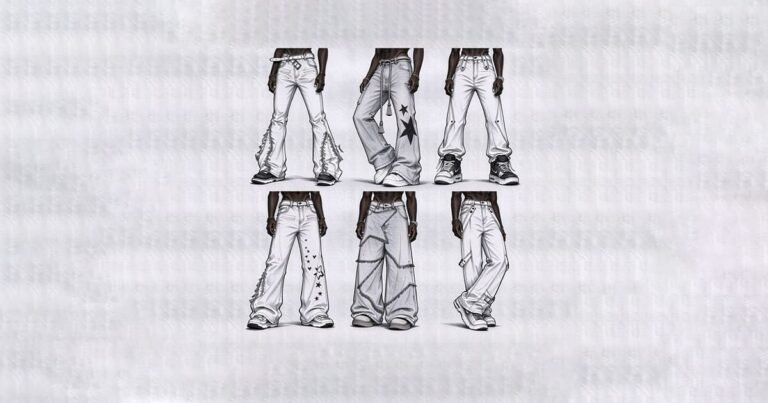
One of the most frequently reported brand‑side frustrations emerges when reference imagery, mood‑board renders and digital concept art do not translate predictably to physical denim garments. Many brand creatives build design direction based on retail reference pieces, digital render assets and edited campaign photography, without accounting for physical limitations inherent within raw textile behaviour.
Digital assets often obscure real‑world textile variables: fabric stretch tolerance, natural fabric shrinkage ranges, hardware seating limits and the physical behaviour of denim textile under finishing processes. When brand teams hand over visual references without granular technical notes, discrepancies between expectation and physical sample become highly likely.
Brands frequently report receiving initial samples that diverge from original creative vision, not due to intentional deviation, but because critical contextual detail never transferred across to production teams. Teams that skip granular spec documentation often face multiple rounds of sample revision cycles, inflating overall project lead‑time before mass production can commence.
Unforeseen Timeline Drift Stemming From Multi‑Step Denim Workflow Variables
Denim garment creation follows sequential interconnected stages, where delays originating in one workflow segment ripple outward across the whole project timeline. Many brand operators new to denim product development underestimate how many independent process steps touch each garment unit before final shipment.
Fabric lot lead‑times, pre‑production sample validation cycles, finishing batch consistency checks and hardware component sourcing windows all carry inherent variable timelines. Even well‑planned projects can experience schedule shifts when raw material batches arrive outside projected windows, or when post‑production quality checks identify items requiring re‑work.
Many apparel teams build retail launch calendars assuming fixed, unchanging turnaround numbers, without building contingency buffers into project roadmaps. This creates high‑stress scenarios where brand launch dates sit at risk due to variables outside any single party’s direct control.
Ambiguous Specification Documentation Driving Repeat Iterative Revisions
Poorly structured specification sheets represent another persistent source of project friction within denim apparel workstreams. Vague descriptive language such as “soft hand‑feel”, “moderate distressing” or “structured fit” carries subjective interpretation; creative teams and factory technical teams can interpret identical descriptive phrasing in completely different directions.
Without measurable, objective benchmarks built into spec documents, sample cycles extend unnecessarily. Each revision round consumes project resources and pushes back projected production timelines. Many emerging apparel labels learn this lesson only after expending budget and calendar windows on repeated sample adjustments that could have been mitigated with tighter initial documentation standards.
Foundational Reference Points for Apparel Brands Approaching Denim Development Work
Working effectively within denim production ecosystems requires brand teams to build practical baseline knowledge around textile behaviour, documentation standards and realistic project planning frameworks. The following sections outline field‑observed reference points derived from thousands of real‑world brand project interactions.
Building Actionable, Low‑Ambiguity Garment Specification Packages
Strong specification documentation reduces misinterpretation across creative and manufacturing stakeholders. Effective spec packages move past subjective descriptive language and lean toward measurable, documentable attributes.
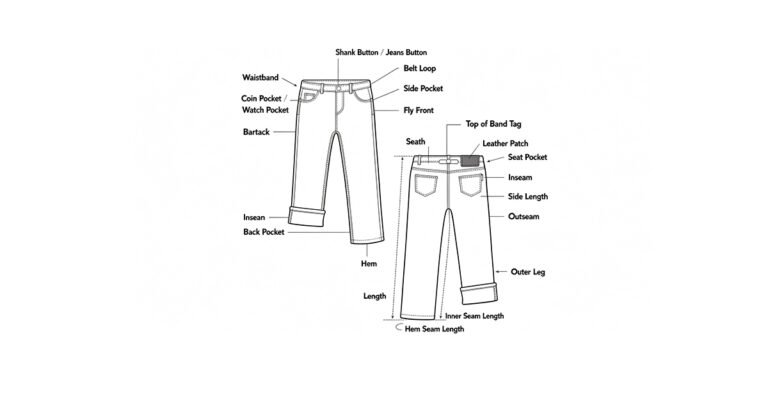
Key elements within robust denim spec documentation include precise finished‑garment measurement tables across all critical points, explicit hardware reference identifiers, documented fabric weight baseline, shrinkage expectation notes, finishing‑effect reference samples (physical or high‑resolution calibrated imagery), and clear notes marking non‑negotiable garment attributes versus flexible adjustment points.
Many brand teams overlook documenting which garment features are fixed requirements versus features open to reasonable factory‑side technical suggestion. Labelling these boundaries clearly empowers manufacturing teams to propose practical alternatives when certain design choices run up against textile‑based physical constraints.
Teams new to compiling comprehensive spec documents frequently underestimate how granular these documents need to become. Even seemingly minor details such as stitch density ranges, seam allowance values and pocket placement tolerances create measurable differences within finished denim garments.
Setting Realistic Baselines for Sample Iteration Cycles
Every apparel project carries some reasonable expectation for sample refinement. Even thoroughly documented briefs can generate minor points requiring adjustment once physical prototype pieces are produced. Brand teams benefit from establishing realistic internal expectations for how many sample revision rounds typical denim projects consume.
Over‑optimistic assumptions of “one‑and‑done sample outcomes” regularly create disappointment. When brand teams build project roadmaps with zero buffer for sample refinement, small adjustments create cascading timeline pressure that impacts downstream retail‑planning activities.
It is valuable for brand stakeholders to separate “must‑have critical changes” from “subjective stylistic preference tweaks” during sample review sessions. Differentiating these two categories helps prevent endless revision loops that drain project resources without delivering tangible improvements to final garment performance.
Recognising Textile‑Driven Constraints Within Denim Garment Design Workstreams
Denim textiles carry inherent physical properties that place practical boundaries on what can reliably be achieved within garment manufacturing. Ignoring these textile‑rooted constraints leads to unrealistic design briefs, sample frustration and inconsistent output across production batches.
Fabric Weight, Stretch Modulus and Garment Fit Consistency
Denim fabric weight directly impacts garment drape, structural hold and long‑term wear performance. Different fabric weight ranges deliver vastly different end‑user experiences. Light‑weight denim constructions behave differently during washing and wear cycles compared to heavy‑weight rigid denim variants.
Stretch modulus presents another key variable. Even fabrics labelled with identical percentage stretch specifications can deliver distinct real‑world fit outcomes, depending on fibre blend composition and weaving construction. Fabric lot‑to‑lot minor variance exists within all woven textile supply chains, and brands need realistic expectations around acceptable tolerance ranges.
Many brand teams discover that fit characteristics observed on a single prototype sample do not always replicate one‑to‑one across subsequent fabric lots. Understanding natural textile tolerance ranges helps brands set reasonable internal quality benchmarks instead of pursuing technically unachievable zero‑variance outcomes.
The Impact of Finishing Treatments on Denim Garment Consistency
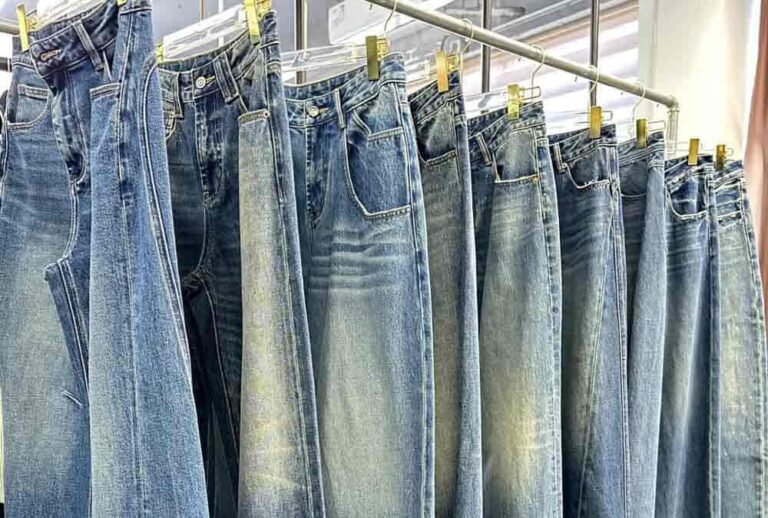
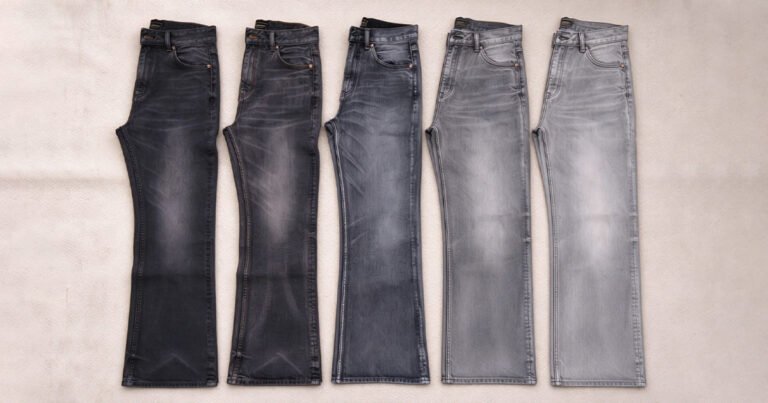
Finishing workflows imprint visual and tactile characteristics onto base denim textiles. Every finishing application carries natural batch‑level variation. Even when utilising identical input parameters, subtle visual differences will emerge across separate finishing batches.
Brand creative teams must understand this fundamental reality. Retail‑ready collections need design tolerance built in to accommodate minor finishing variance, unless implementing extremely resource‑intensive batch‑matching workflows that drive up overall project resource requirements.
New‑to‑denim brands frequently hold the expectation that every garment unit across an entire production run can achieve pixel‑perfect visual uniformity across finishing effects. This standard sits outside normal industry baseline expectations for woven denim goods. Educating internal creative stakeholders on these realities reduces post‑production disappointment.
Communication Best‑Practices Between Apparel Brands and Manufacturing Partners
Consistent, structured cross‑party communication forms the backbone of smooth‑running denim apparel projects. Many avoidable project conflicts trace back to communication gaps rather than manufacturing‑side execution failures.
Structuring Feedback After Receiving Physical Sample Deliverables
When brand teams receive physical sample units, structured feedback drives efficient progress. Unstructured stream‑of‑consciousness commentary creates confusion for manufacturing technical teams. Effective feedback should clearly identify each garment area under review, describe the observed deviation, and lay out the desired measurable target.
Where possible, pairing written feedback with annotated high‑resolution sample imagery significantly reduces interpretive error. Vague statements like “the fit feels off” leave manufacturing teams guessing which specific measurement points require adjustment. Precise notes referencing spec‑sheet measurement points deliver far more actionable direction.
It is equally important for brand teams to flag which feedback points represent hard requirements versus exploratory creative testing. This distinction guides factory‑side teams on project priority alignment.
Managing Expectations Around Turnaround for Technical Question Responses
Complex denim‑related technical queries require input from multiple factory‑side departments: pattern‑making teams, textile specialists and finishing‑department technicians. These questions cannot always receive instant‑turnaround replies.
Brand project managers building timelines should allocate realistic windows for complex technical inquiry resolution. Urgent last‑minute technical questions introduced late within project cycles create pressure for all stakeholders and increase risk of oversight errors. Forward‑loaded technical conversation minimises these crisis‑style scenarios.
Practical Guidance for Brand Teams Evaluating Project Feasibility
Before launching full‑scale denim development work, brand teams benefit from conducting internal feasibility reviews. This review process assesses whether creative concepts align with textile realities, available component supply chains and project‑timeline boundaries.
Brand teams should ask targeted internal questions: Does this concept rely on textile behaviours outside standard denim performance envelopes? Are all required hardware components readily available within realistic lead‑time windows? Have internal teams built sufficient calendar buffers for sampling, revision and pre‑shipment validation workflows?
Conducting feasibility assessment early saves brands from investing significant resources into concepts that carry low practical manufacturability. Early‑stage technical consultation helps brands filter concepts and refine creative direction toward viable, producible garment outcomes.
Even well‑vetted concepts will still encounter minor real‑world variables. No apparel production workflow exists completely free of variance. Successful denim brands build quality frameworks that account for normal‑range textile tolerance rather than chasing theoretical zero‑variance ideals.
Conclusion
Denim apparel product development demands respect for textile physics, clear documentation standards, realistic timeline planning and structured cross‑stakeholder communication. Most recurring pain‑points brand operators face stem not from irreparable manufacturing limitations, but from misaligned expectations, incomplete specification hand‑offs and insufficient contingency planning built into project roadmaps.
Apparel brand teams that invest time to build baseline denim‑domain knowledge, tighten internal spec‑writing workflows and set realistic tolerance benchmarks will consistently experience smoother project cycles. Understanding where natural textile variance sits within normal industry boundaries helps creative teams balance artistic vision with manufacturable real‑world garment output.
Every denim project carries unique creative goals and business constraints. Establishing clear two‑way technical dialogue early in project phases creates the strongest foundation for predictable, successful apparel collection development.