How To Achieve Different Color Fading Effects On Black Jeans
How To Achieve Different Color Fading Effects On Black Jeans
Introduction to Black Denim Fade Variability
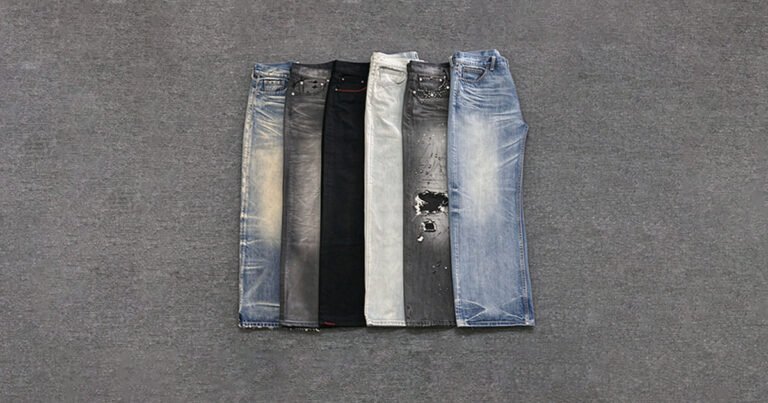
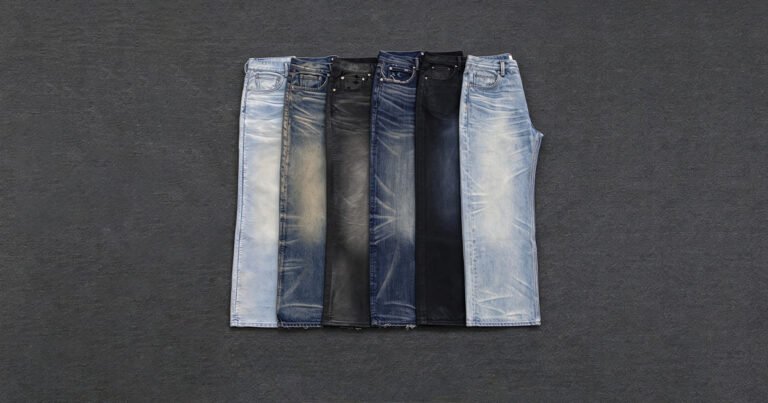
Black denim presents unique challenges during wash processing, unlike indigo-based blue denim. Many apparel designers and product developers underestimate how sensitive black pigmented denim is to processing variables. Even with identical base fabric, small shifts in chemical concentration, agitation duration, temperature, and mechanical handwork will create drastically different grey fade spectrums, ranging from deep charcoal black all the way to soft pale ash grey.
Product teams frequently encounter repeatability issues. A fade effect that works perfectly on one sample run may shift tone on the next batch, creating mismatched shade gradients across a collection. These inconsistencies often stem from incomplete documentation of every step within the wash sequence, rather than fabric defects. Every visible tone difference comes from calibrated changes to hand sanding, potassium permanganate application, pigment stripping, and stone wash timing.
The core goal of controlled fading on black jeans is not random decolorization. It is targeted pigment removal that preserves fabric integrity while creating intentional contrast zones. Every technique discussed in this article is part of custom denim wash and finishing craft workflows, explored in greater technical depth on our dedicated page: Custom Denim Fabric, Wash & Finishing Craft Solutions.
Pre-Wash Fabric Assessment for Black Denim
Pigment Coating vs Dye-Immersed Black Denim
Two primary black denim types behave completely differently under fading treatments. Coated black denim carries black pigment on the fiber surface. This pigment layer strips quickly and unevenly. Dye-immersed black denim embeds color within cotton fiber structure and requires longer exposure to reducing agents to develop visible grey tones. This baseline assessment is the first step to predictable fade results.
A common developer pain point: selecting coated black fabric expecting subtle, gradual fading. Coated black denim will flash fade rapidly with minimal potassium permanganate. The result often appears chalky and lacks depth. Immersed black denim demands longer processing cycles but yields smoother, more natural grey gradients. This fabric selection stage sets the upper and lower limits of achievable fade range before any hand work or washing starts.
Pre-Wash Stabilization Cycle (15–25 minutes)
Before applying any hand effects, all black denim panels go through a short stabilization rinse. This low-temperature cycle runs 15 to 25 minutes at 40°C with neutral pH surfactant. The purpose is to remove surface sizing, weaving lubricants, and loose excess pigment that rubs off during handling. Skipping this step causes unpredictable blotchy fading. Residual sizing blocks chemical penetration, creating patchy rejection zones on thigh, pocket, and seat areas.
Many sample teams skip stabilization to cut turnaround time. This shortcut creates sample-to-production divergence. Samples may look clean, but bulk production runs show uneven mottling. Stabilization removes surface contaminants without altering the base black tone. It standardizes fabric reactivity so subsequent hand work and chemical washes behave consistently from one cut panel to another.
Manual Surface Texturing Techniques & Timing for Targeted Fade
Hand Sand / Hand Brush for Gradient Fade Base
Hand brushing and hand sanding create broad, soft fade gradients across thigh and seat panels. Operators use graded grit sandpaper or wire bristle brushes to lightly scuff fabric surface. For subtle, wide grey transitions, each panel requires 8–12 minutes of controlled hand work. For heavier abrasion and pronounced contrast, work extends to 15–22 minutes per jean.
Key pain point: inconsistent hand pressure between operators. Even with the same sandpaper grade, heavier hand pressure removes more surface pigment. This creates hot spots that over-fade in final wash. To standardize results, teams mark fade boundaries on paper patterns, defining fade zone width and intensity before sanding starts. This reduces revision cycles for sample development. Hand sanding creates the foundational fade map; chemical wash amplifies the contrast afterward.
Whisker Formation with Needle Gun (Pin Gun)
The needle gun, often called pin gun, etches fine linear crease lines at the front thigh fly area. These whisker lines will fade lighter after chemical treatment. Operators fold denim along pre-defined crease lines, then use needle gun to create micro-abrasion along folded edges. A standard whisker set takes 6–10 minutes per front panel.
Density control matters. Too many needle punctures weaken fabric tensile strength, causing line tearing after repeated laundering. Sparse needle work yields faint whiskers that disappear after stone washing. For black denim, needle gun lines show softer contrast compared with indigo denim. Developers often request higher needle density only to discover lines wash out flat. Test panels help calibrate needle depth and spacing before full sample runs.
Hand Rub (Hand Wipe) for Heavy Contrast Ma Liu / Monkey Wash Mark
Hand rub, also known as ma liu marking, creates localized heavy fade patches on pockets, upper thighs, or back seat areas. Operators apply controlled friction with abrasive pads to carve concentrated fade zones. This manual stage takes 5–9 minutes per marked region.
Hand rub creates high-visibility focal points. The most frequent issue here is over-abrasion. Deep hand rub spots can become thin and translucent after chemical stripping. For black denim, hand rub marks transition from black to medium grey, rather than brilliant white typical of indigo denim. Developers must adjust their visual expectations for black pigment limits.
Potassium Permanganate Application & Reaction Timing
Spray Application vs Pad Application
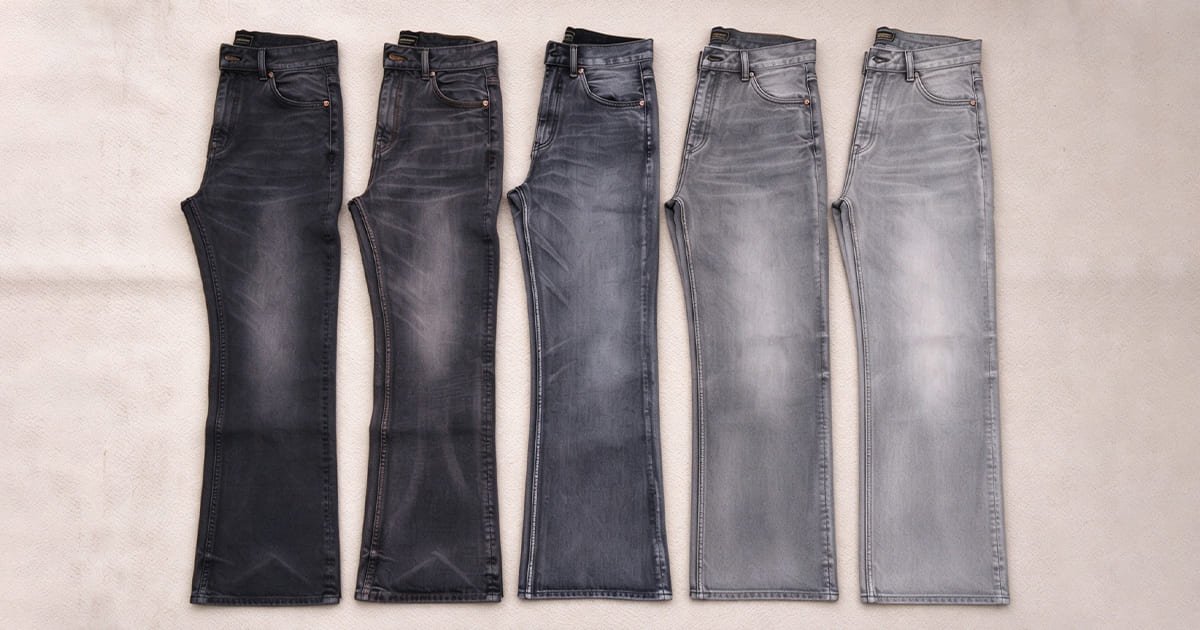
Potassium permanganate is the primary oxidizing agent used to strip black pigment and generate grey fade tones. This chemical reacts quickly, so dwell time and concentration are tightly controlled. This single variable creates the majority of shade differences visible across the five gradient samples shown in our reference image.
Spray application creates soft, diffused fade gradients over large surface areas. Pad application delivers sharp, localized fade for defined hand rub or whisker zones. Spray application dwell time ranges from 3 to 8 minutes before neutralization. Pad application has shorter reaction windows of 1–4 minutes, because concentrated chemical sits directly on marked abrasion zones.
Concentration is measured in grams per liter. Lower concentration (2–4 g/L) delivers subtle light grey lift. Higher concentration (5–8 g/L) produces bold charcoal-to-pale-grey contrast. Concentrations above 8 g/L risk fiber degradation and brittleness in black cotton denim. Many rushed sample trials use overly strong potassium permanganate to speed fade. This produces fragile fabric with poor rub fastness.
Neutralization Step (6–12 minutes)
After potassium permanganate reaches target reaction level, garments enter a neutralization bath with sodium metabisulfite. This bath stops oxidation instantly. Cycle duration runs 6–12 minutes at ambient temperature. Incomplete neutralization leaves residual manganese particles trapped inside cotton weave. Over time these particles create brown discoloration during consumer home laundering. This is one of the most common hidden defects clients discover months after bulk delivery.
Developers often overlook neutralization completeness when reviewing samples. A sample may look perfect on the inspection table, but residual chemical will shift shade after several wash cycles. Full neutralization is non-negotiable for long-term color stability on black faded denim.
Stone Wash Cycles for Uniform Global Fade
Stone wash uses pumice stones inside rotating wash machines to add mechanical abrasion across the whole garment. Stone wash sets the base global fade level after hand marking and potassium permanganate treatment. Stone wash duration directly controls overall lightness across the entire jean.
Short stone wash cycles of 20–35 minutes create mild overall fading, retaining deep black base tone while making hand marks and whiskers gently visible. Medium cycles of 40–60 minutes produce balanced mid-grey base tones. Extended stone wash cycles of 70–90 minutes strip pigment broadly, delivering pale ash grey across the full garment. Extended cycles also increase fabric pilling risk and seam wear.
The balance between stone time and chemical strength is critical. Strong potassium permanganate paired with long stone wash will over-strip black pigment and create washed-out flat grey with no depth. Weak chemical treatment plus extended stone creates soft natural fade without harsh chalkiness. Finding this balance is iterative and requires test mini-runs before bulk sample production.
Enzyme Wash as Alternative to Pumice Stone
Enzyme wash uses cellulose enzymes to gently etch cotton fiber surface without pumice stone. Enzyme wash cycles run 45–75 minutes. Enzyme action delivers softer, smoother fade without the heavy surface scratching of stone wash. Enzyme treatment is ideal when developers want gradual, uniform grey transition without rugged surface texture.
Tradeoff: enzyme-only fading creates less contrast on hand-marked whiskers and ma liu spots. The contrast between base black and faded zones becomes muted. Many collections combine short stone wash plus enzyme softening to get contrast plus smooth hand feel.
Toning, Re-Dye & Final Finishing Adjustments
After stripping and stone cycles, many black denim samples require toning or re-dyeing to correct unwanted undertones. Oxidized black pigment can develop unwanted brown or purple undertones after potassium permanganate treatment. A weak tint bath adds subtle cool grey tone to neutralize warm cast.
Toning baths run 10–18 minutes at low temperature. This step fine-tunes the final grey hue without reversing the fade effect. Toning must be tested in small batches, because tint uptake varies heavily depending on remaining pigment level. Too much tint darkens faded zones and erases all previous hand work progress.
Softening & Anti-Scratch Final Rinse
The final finishing bath uses silicone softener to modify hand feel, running for 8–15 minutes. This step does not alter color fade but changes fabric hand, drape and surface friction. Clients often conflate hand feel with color fade outcome. Softener does not change grey shade, but it changes how light reflects across the fabric surface, altering visual perception of fade depth.
Process Sequence Summary & Optimizing Speed Without Quality Loss
The standard full workflow order for faded black denim is: fabric inspection → pre-wash stabilization → manual abrasion (hand sand, pin gun whisker, hand rub ma liu marks) → potassium permanganate application + dwell → neutralization → stone or enzyme wash → rinse → toning/re-dye if required → softener finish → drying and shade sorting.
The most reliable way to accelerate sample turnaround without sacrificing repeatability is to separate test variables. Do not change chemical concentration AND stone wash time in the same trial run. Adjust one parameter at a time, document the resulting fade level, and build a reference shade library. This method reduces sample revision rounds significantly. Many product teams waste weeks running multi-variable tests where it becomes impossible to identify which adjustment caused the shade shift.
When building a gradient fade series like the five-shade flat lay example, only one variable is adjusted per garment. The leftmost deep black garment uses minimal permanganate and short stone wash. Moving right, permanganate concentration and stone duration increase incrementally to build gradual grey lightening. Controlling only one variable at each stage ensures a smooth, predictable gradient spectrum instead of random uneven shade jumps.
Common Black Denim Fade Fail Points & Troubleshooting
Chalky Surface Residue After Fade
Chalky pale surface comes from over-stripping surface pigment. This defect reduces rub fastness. The fix is lower potassium permanganate concentration, shorter dwell time, or shift to enzyme wash instead of heavy stone abrasion.
Whiskers Disappear After Bulk Wash
Faint whisker loss usually arises from insufficient needle gun depth paired with over-long stone cycles. The micro-abrasion lines are worn away before pigment difference can set. Reduce stone wash duration or increase needle gun marking density on test panels.
Patchy Mottled Fade Across Garment
Patch mottling traces back to incomplete pre-stabilization. Sizing and spinning oils block even chemical penetration. Re-running the pre-wash cycle and fully removing fabric sizing resolves most blotchy fade issues.
Brown Undertone Development After Consumer Launder
Brown discoloration post purchase almost always points to incomplete neutralization of potassium permanganate residue. Extend neutralization bath time and verify residual chemical levels on test swatches before approving bulk production.
Conclusion
Creating controlled, repeatable color fading effects on black denim relies on precise sequencing and calibrated adjustment of every wash parameter. Hand sanding, needle gun whiskering, hand rub ma liu marks, potassium permanganate oxidation, stone wash timing, enzyme treatment and toning baths all interact to shape final grey shade and contrast. Small changes in dwell time, chemical concentration, or mechanical abrasion create a wide spectrum from deep black through charcoal all the way to pale ash grey.